Research & Scholarship
Translating Knowledge
Into Action
My research and scholarship are guided by a simple principle: knowledge should lead to action that improves population health and strengthens communities.
As a public health researcher, educator, practitioner, and systems thinker, I examine how health is shaped by interconnected social, environmental, technological, organizational, and policy factors. My scholarship brings together population health, health equity, social determinants of health, GIS, public health informatics, artificial intelligence, systems thinking, community-engaged research, and translational science.
I am especially interested in scholarship that moves beyond identifying problems to developing practical, evidence-based, and scalable solutions for communities.
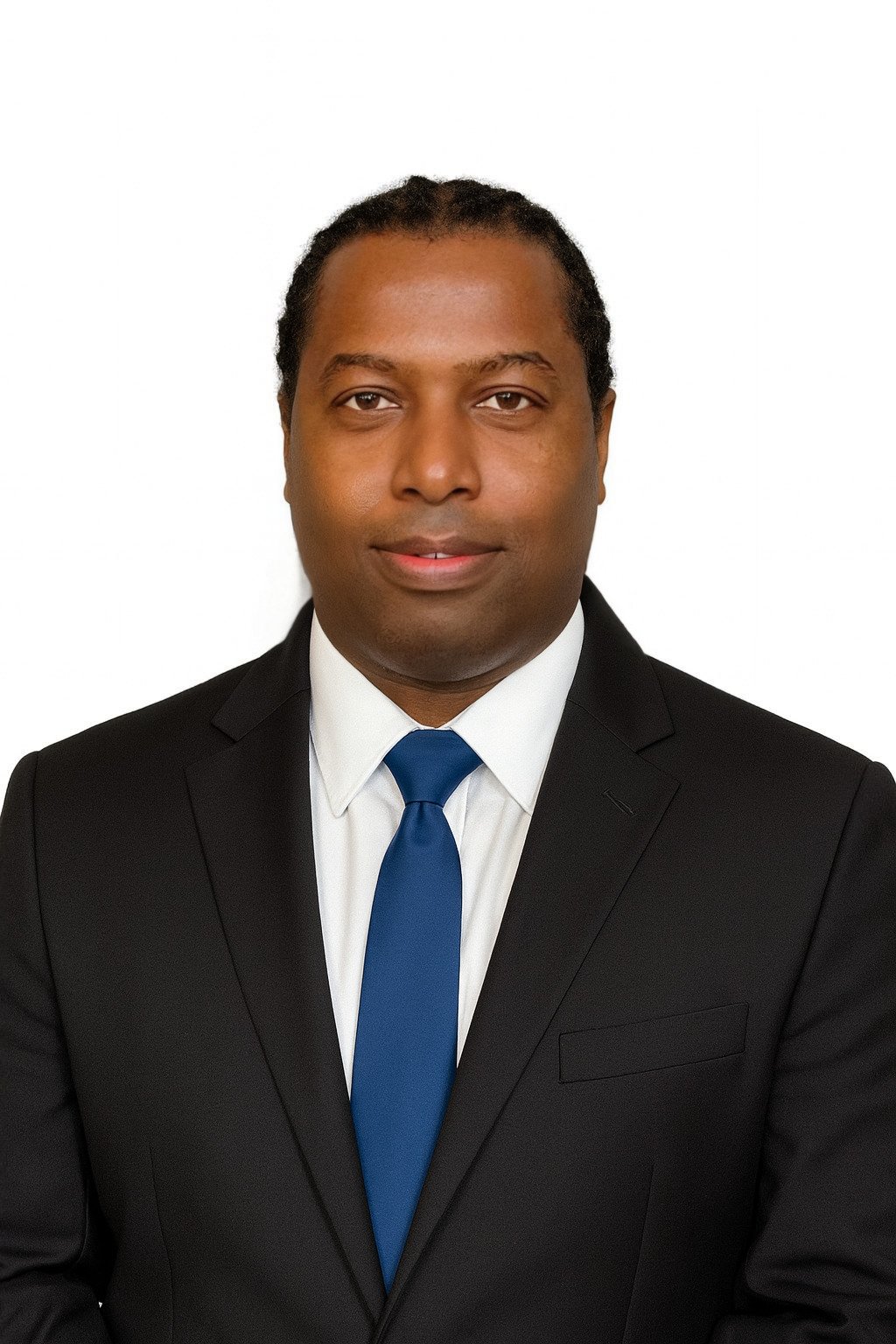
Lesly Estil, MPH, CPH, CHES
Doctor of Public Health (DrPH) Candidate | Researcher | Educator | Public Health Leader
My Research Agenda
Understanding Complex Population Health Systems
Student success extends beyond classroom instruction. Each course provides resources that support academic achievement, professional development, and lifelong learning.
Areas of Research Interest
- Population Health & Health Equity
- Social Determinants of Health
- Community Health
- Public Health Informatics
- GIS & Spatial Analysis
- Artificial Intelligence in Public Health
- Population Health Forecasting
- Systems Thinking & Systems Engineering
- Community-Engaged Research
- Translational Research
- Behavioral Health
- Digital Health
- Healthy Housing & Environmental Health
- Program Evaluation
- Public Health Education
Research Leadership
Founder & Chief Executive Officer
Institute for Translational Population Health Research
I am the Founder and Chief Executive Officer of the Institute for Translational Population Health Research, an independent nonprofit research and community action organization headquartered in Elmira, New York.
The Institute was established to help bridge the gap between research and real-world action. Its work brings together applied research, data analytics, community engagement, health equity, behavioral health innovation, population health forecasting, GIS, artificial intelligence, policy research, and implementation science.
The Institute is grounded in the understanding that healthier populations are not created only in hospitals and clinics. Health is also shaped in our homes, neighborhoods, schools, workplaces, families, faith communities, and social networks.
Our goal is to generate knowledge that communities and organizations can use to make better decisions, strengthen services, guide investments, develop interventions, inform policy, and improve quality of life.
From Research to Community Impact
- Discovery
- Research
- Translation
- Implementation
- Evaluation
- Community Impact

Current Research & Innovation
Population Health Intelligence & Forecasting
Traditional public health systems often tell us what has already happened. I am increasingly interested in how epidemiology, predictive analytics, systems science, and artificial intelligence can help communities anticipate emerging health and social challenges.
Areas of interest include population change, behavioral health, substance use, housing instability, healthcare utilization, workforce shortages, chronic disease, and community vulnerability.
The goal is to help move population health decision-making from primarily reactive approaches toward proactive and preventive strategies.
Place Matters in Public Health
GIS & Spatial Population Health
Where people live, work, learn, and interact can have a profound influence on health.
I am interested in using Geographic Information Systems (GIS) and spatial analysis to examine how health outcomes, social determinants, environmental conditions, community resources, and opportunities vary geographically.
GIS can help public health professionals:
- Identify geographic health disparities
- Map community resources and assets
- Identify service gaps
- Examine environmental conditions
- Understand neighborhood-level differences
- Support equitable resource allocation
- Communicate complex information visually
- Strengthen community health planning
My goal is to use geographic information not simply to create maps, but to help communities better understand where needs and resources exist and how place influences population health.
Public Health Informatics & Systems Integration
Public health, healthcare, academic institutions, and community organizations often operate within separate information and organizational systems.
My research interests include examining how digital technologies, health informatics, data integration, and systems engineering can strengthen collaboration across these sectors.
I am particularly interested in developing and evaluating integrated digital tools that help organizations:
- Identify community resources
- Analyze population health needs
- Visualize social determinants of health
- Coordinate services
- Share appropriate information
- Support evidence-informed decisions
The goal is to transform fragmented information into actionable knowledge for population health improvement.
Artificial Intelligence in Public Health
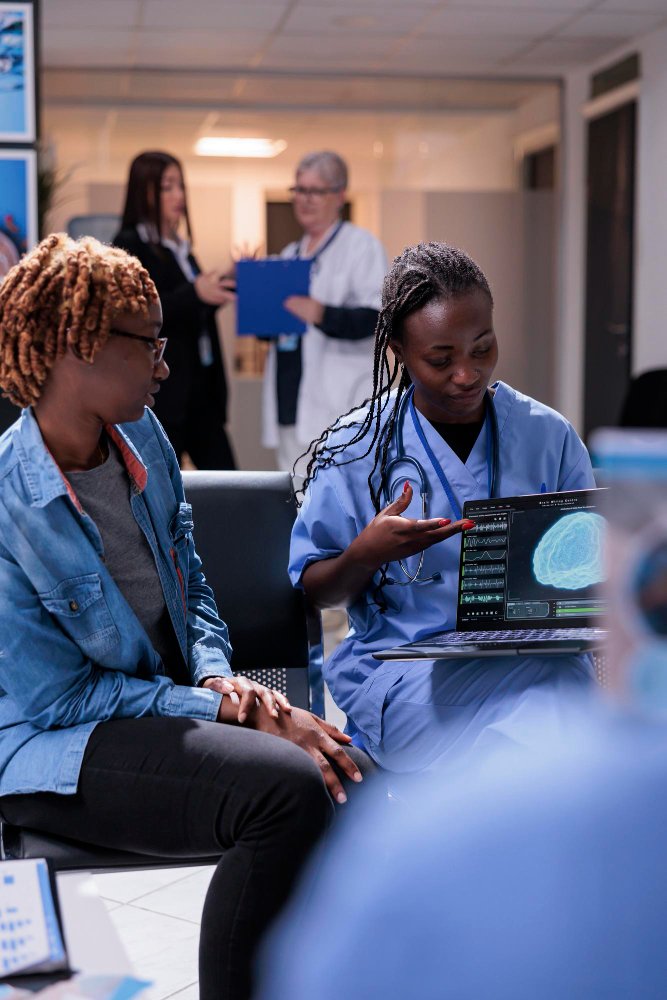
Artificial intelligence has the potential to strengthen public health surveillance, forecasting, data analysis, decision support, education, research, and community resource navigation.
My interest is not simply in adopting AI because it is new. I am interested in understanding where AI can provide meaningful public health value and where caution is necessary.
My scholarship in this area considers questions involving:
- Accuracy
- Transparency
- Accessibility
- Bias
- Privacy
- Ethics
- Health Equity
Responsible innovation requires us to consider not only what technology can do, but also what it should do and who benefits from its use.
Communities as Partners in Knowledge
Community-Engaged & Translational Research
I believe communities should be partners in producing knowledge, not simply populations being studied.
Residents, community organizations, healthcare institutions, faith communities, educators, public health professionals, and local leaders possess knowledge and lived experience that are essential to understanding complex population health challenges.
My approach emphasizes:
- Community-engaged research
- Participatory decision-making
- Translation of evidence into practice
- Community asset identification
- Cross-sector partnerships
- Culturally responsive research
- Implementation and evaluation
- Sustainable community impact
Social Prescription Network™
Featured Research & Innovation
Prescribing Connection. Purpose. Opportunity. Community.
One emerging initiative of the Institute for Translational Population Health Research is the Social Prescription Network™.
Many health problems are influenced by conditions that cannot be addressed through medication or clinical treatment alone. People may simultaneously experience loneliness, unemployment, food insecurity, transportation barriers, housing instability, social isolation, or limited access to supportive community resources.
Social prescribing creates structured connections between individuals and nonmedical community resources that can support health and quality of life.
These resources may include:
- Community engagement
- Volunteer opportunities
- Workforce development
- Education
- Peer support
- Faith-based programs
- Arts and cultural programs
- Physical activity
- Nutrition programs
- Housing assistance
- Community wellness programs
The long-term goal is to develop and evaluate a scalable model that connects healthcare, public health, social services, and community organizations while generating evidence about the effects of social connection and community resources on population health.
Applied Scholarship
Connecting Research With Public Health Practice
My scholarship is strengthened by professional practice.
As a Systems Engineering Manager with the Community Translational Research Institute (CTRI), my work has included community resource mapping, social determinants of health, systems integration, and data-informed approaches to population health.
This applied work provides opportunities to examine how different elements of the public health ecosystem can function more effectively together:
People + Data + Technology + Organizations + Community Resources
I am particularly interested in how systems engineering principles can help public health professionals understand relationships among these components and design more coordinated approaches to population health improvement.
Research & Teaching
Research Informs My Classroom
My identities as a researcher and educator are interconnected.
I incorporate current research, population health data, epidemiology, GIS, systems thinking, community case studies, and real-world public health challenges into my teaching.
This allows students to encounter public health not simply as a collection of textbook concepts, but as an evolving field in which evidence must be questioned, interpreted, communicated, and applied.
Teaching also strengthens my scholarship. Student questions, classroom discussions, applied assignments, and reflection can reveal new perspectives and new questions worth exploring.
Research strengthens teaching. Teaching strengthens research.
This reciprocal relationship is central to my identity as a teacher-scholar.
Collaborative Scholarship
Better Research Through Partnership
Prescribing Connection. Purpose. Opportunity. Community.
Complex public health problems rarely fit neatly within the boundaries of one profession, discipline, or organization.
I value interdisciplinary and community partnerships and welcome opportunities to collaborate with:
- Faculty and academic researchers
- Undergraduate and graduate students
- Public health agencies
- Healthcare organizations
- Community-based organizations
- Nonprofit and faith-based organizations
- Government agencies
- GIS professionals
- Data scientists
- Health informatics professionals
Community leaders and residents
Collaborative scholarship brings different forms of knowledge to the same problem and increases the potential for research findings to become meaningful and sustainable improvements in population health.
Interested in collaborating? Please visit my Contact page.
A growing catalog.
Scholarly Contributions
As my teaching portfolio continues to expand, this section will include additional undergraduate and graduate courses that reflect my interdisciplinary interests in public health education, research, and practice.
Publications
Peer-reviewed articles, scholarly writing, book chapters, and other academic contributions.
Presentations
Conference presentations, invited talks, professional presentations, and academic contributions.
Research Posters
Research posters and visual presentations of scholarly findings.
Books & Scholarly Projects
Books, manuscripts, instructional publications, and longer-form scholarly projects.
Applied Research
Community assessments, evaluations, technical reports, policy briefs, digital tools, and translational research products.
Public Scholarship
Articles, essays, public health commentary, and other work that translates scholarly knowledge for broader audiences.
Academic Preparation & Professional Credentials
My interdisciplinary academic preparation supports my work across public health research, population health, education, technology, and community engagement.
Education
Professional Certifications
Together, my academic preparation and professional credentials support an interdisciplinary approach that connects research, education, technology, public health practice, and community engagement.
Research Vision
Building Healthier Communities Through Evidence
My long-term research vision is to develop and evaluate innovative approaches that help communities better understand their health, anticipate emerging challenges, coordinate resources, and implement effective solutions.
I am particularly interested in research that integrates:
Population Health + Data Science + GIS + AI + Systems Thinking + Community Knowledge
I see communities such as Elmira, New York, as important environments for developing, testing, and evaluating approaches that may eventually inform other post-industrial, rural, underserved, Appalachian, and Rust Belt communities.
The objective is not to create a single solution and impose it everywhere. It is to develop evidence-informed approaches that communities can adapt to their own needs, strengths, resources, and priorities.
I believe scholarship should extend beyond publication.
Meaningful scholarship should:
Generate knowledge.
Inform practice.
Influence policy.
Strengthen communities.
Prepare future professionals.
Improve lives.
As a teacher-scholar, I seek to conduct research that is scientifically rigorous, ethically grounded, interdisciplinary, and responsive to community needs.
My goal is to contribute not only to what we know about population health, but also to what communities can do with that knowledge.
My Scholarship Philosophy
Knowledge Should Improve Lives
Connect & Collaborate
I welcome opportunities to connect with researchers, educators, students, public health professionals, healthcare organizations, community organizations, and other partners interested in improving population health.
Potential areas for collaboration include population health research, GIS, public health informatics, systems integration, artificial intelligence, community-engaged research, health equity, social prescribing, program evaluation, and public health education.
Visit the Institute for Translational Population Health Research